


Credit Education Center

Clear, reliable guidance to help you understand credit, make informed decisions, and build a stronger financial future. At Lauren Divine LLC, we believe education is the foundation of lasting credit improvement. This page is designed to give you practical knowledge about how credit works, what impacts your score, and how to approach common credit challenges with clarity and confidence.

How to Start and Build Credit the Right Way

Starting or rebuilding credit requires clear steps that demonstrate reliability to lenders. Maintaining an active checking or savings account helps show financial stability and responsible money management, even with modest balances. For those new to credit, secured credit cards and starter accounts are often the most accessible way to begin building a positive payment history when used consistently.

In some situations, a co-signed loan from a trusted family member can accelerate credit establishment, though shared responsibility makes on-time payments essential. Alternative reporting services can also support your credit profile by documenting on-time rent, utility, and recurring bill payments that may not appear on traditional credit reports.

Create_a_highend_4k_202602021852

How Credit Scores Are Calculated

Your credit score is a numerical representation of how you manage debt over time. The three major credit bureaus compile this information: Experian, Equifax, and TransUnion. Each bureau may contain slightly different information, which is why reviewing all three reports is important.

While credit reports are available for free, credit scores may require a small fee depending on where they are obtained.  Credit scores generally fall within a range that lenders use to assess risk. Lower scores may limit access to favorable terms, while higher scores can unlock better interest rates and financing options.

Credit card placed on the cart to pay for the product

The Five Factors That Influence
Your Credit Score

While scoring models are proprietary, industry guidelines consistently identify five primary factors that affect your credit score:

feature-icon
Payment History

A record of on-time payments has the greatest impact. Late payments, collections, and public records can significantly lower a score.

feature-icon
Amounts Owed

High balances relative to credit limits can negatively affect your score. Managing utilization across multiple accounts is often better than maxing out a single card.

feature-icon
Length of Credit History

Older, well-managed accounts generally support higher scores, especially when maintained over time.

feature-icon
New Credit Activity

Applying for several accounts in a short period can raise risk concerns, though certain inquiries may have minimal impact.

feature-icon
Types of Credit in Use

A mix of revolving and installment credit is generally viewed more favorably than reliance on one type alone.

Understanding these factors helps you see how our process targets the most important areas for improvement.

Healthy Credit Habits That Support Long-Term Improvement

Improving credit is rarely immediate, but consistent habits can lead to steady progress. Making payments on time is critical. Keeping credit card balances low and avoiding unnecessary new debt can help stabilize your score.

Over time, the impact of past mistakes decreases, especially when positive behavior replaces negative patterns. There is no instant solution for poor credit, but informed actions can lead to measurable improvement.

Correcting Errors on Your Credit Report

Consumers have the legal right to question information that appears inaccurate, outdated, or unverifiable on their credit reports. When a dispute is submitted, credit bureaus are required to investigate within a set timeframe.

If a creditor cannot verify the information, it must be removed. Even late payments and other negative items may be eligible for removal if they cannot be properly validated. Reviewing your reports regularly and addressing errors promptly is an important step in protecting your credit profile.

Managing Serious Credit Challenges

Some credit issues, such as judgments, bankruptcies, foreclosures, or tax liens, can remain on your report for several years. Simply paying off these items does not always remove their impact.

In these situations, guidance from a qualified credit professional, non-profit counselor, or legal advisor may be beneficial. Understanding timelines and available options can help minimize long-term consequences and support recovery.

Bankruptcy and Credit Considerations

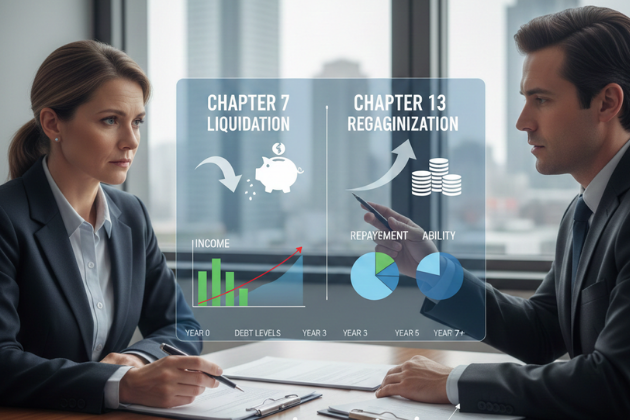
Deciding whether to file for bankruptcy requires careful evaluation. Eligibility depends on income, debt levels, and the ability to repay creditors. Chapter 7 and Chapter 13 bankruptcies differ in structure and outcomes.

The type of debt involved also plays a role in determining whether bankruptcy is appropriate. While bankruptcy affects credit for several years, many consumers are surprised to learn that rebuilding credit afterward is possible with time and responsible behavior.

Clearing Up Credit Myths

  • Credit scores are often misunderstood; they are just one part of a lender’s decision-making process.
  • Lenders also consider income, employment history, and overall financial stability.
  • Credit scores change over time as new information is added to your credit report.
  • Scores do not account for personal characteristics such as race, gender, or marital status.
  • Federal laws prohibit discrimination in credit decisions based on personal traits.
  • Credit scoring summarizes credit-related data that lenders already review.
  • Multiple inquiries for certain loans (e.g., mortgages or auto financing) are often grouped.
  • These grouped inquiries typically have a limited impact when made within a short timeframe.

Options for Homeowners Facing Foreclosure

If you are behind on mortgage payments, there are several options that homeowners can consider before foreclosure becomes final. Many simple solutions are often overlooked, and understanding your choices can prevent unnecessary financial loss.

Hardship Assistance

Some companies will submit a hardship package on your behalf to request a temporary reduction or deferral of payments. Lenders may also work with foreclosure assistance programs to help homeowners avoid default.

Loan Modifications

Loan modifications can restructure your mortgage by adjusting interest rates, extending the loan term, or changing other terms to make payments more manageable. While not guaranteed, modifications may allow you to keep your home in good standing.

Buy-Back Programs and Short-Term Sales

Some investors may purchase your home, let you continue living in it while catching up on bills, and even allow you to buy it back later. These programs vary widely, so it’s crucial to work with reputable companies.

Restructured Payment Plans

Restructured Payment Plans Foreclosure companies can sometimes negotiate with lenders to create a separate payment plan or add delinquent amounts to the end of your loan. Each lender’s policies differ, and approvals are not guaranteed.

Paying Past Due Amounts

Paying off your entire past-due balance can bring your mortgage current. While rarely feasible, some private lenders may provide up to 90% of the reinstatement amount.

Alternative Lending Options

Traditional lenders may not offer assistance, but certain foreclosure companies have in-house lending relationships that allow loans if there is sufficient equity in the property.

Selling Before Foreclosure

Selling your home before the foreclosure sale can prevent a lengthy process. If a full sale isn’t possible, lenders may accept less than the owed amount to settle the mortgage.

Deed-in-Lieu of Foreclosure

In some cases, you can voluntarily return the home to the lender to walk away with a clean slate. This is typically a last-resort option and only provides temporary relief if payments are missed again.

Take Control of Your Credit and Financial Future

Lauren Divine LLC is committed to helping you improve your credit, understand your rights, and make informed financial decisions. Our education and restoration programs provide actionable guidance for long-term results.

Contact Us

Lauren DIvine © 2026, All rights reserved.